
Your next big job starts with a small search.
Nobody hires a contractor for a $40,000 project off a Google search. But that’s where they start: comparing, researching, deciding who even gets to bid.
By the time they call you, half the decision is already made. I build the website that wins that half.
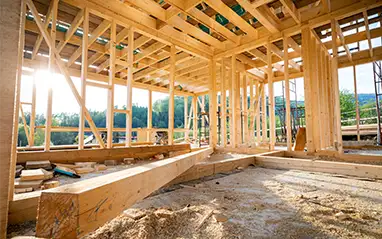
The long decision
Plumbing is a panic purchase. Construction is the opposite: a slow, careful one.
A homeowner planning a shop build, an addition, or a site prep job spends weeks searching before they contact anyone. "Pole barn cost Oregon." "How long does an addition take?" "Excavation cost per hour." "Do I need a permit for a retaining wall?"
Every one of those searches is a chance to be the company that already answered their question, before your competitors even knew the job existed. Most contractor websites skip all of it. Five photos, a phone number, "quality craftsmanship since 1998." That site loses the research phase, and the research phase is where the bid list gets made.
What I build for contractors
A project gallery that sells, not just shows.
Not a wall of thumbnails. Each project gets a page: what the client needed, what made the job hard, how you solved it, photos of the process and not just the after shot. That’s the page a homeowner sends their spouse with "I think this is the company."
Cost and planning content.
The questions everyone asks and no contractor publishes: cost ranges, timelines, what permits are needed, what a site visit covers, what makes a bid go up or down. Publishing real answers feels risky. It’s exactly why it works. You become the only honest source on the list.
Service-area pages with substance.
The towns and counties you actually work, with real projects from each. Google rewards it, and so does the homeowner who sees you’ve built three things in their zip code.
A bid-request flow that filters.
A form that asks the right questions (project type, timeline, rough budget) so the leads that reach you are worth your drive time.
Your CCB number where it counts.
License, bond, insurance, years: visible, not buried. Big-ticket trust is built in details.
How you compete with the established names
The big outfits win on reputation. You win the research phase. Their site says "we’re the biggest." Yours answers "what will this cost, how long will it take, and what’s it like to work with you?"
I target the planning searches (specific projects, specific towns) that established companies don’t bother with because the work is already coming to them. Each one you win puts you on a bid list you weren’t on before. Months of compounding, not an overnight flip. I’ll show you the numbers as they move.
Questions I get asked
- Should I really publish cost ranges? My bids vary a lot.
- Ranges, not quotes: "most shop builds land between X and Y, here’s what moves the number." It filters out the tire-kickers and pre-sells the serious ones. The contractor who says "it depends, call me" loses to the one who explains what it depends on.
- My work speaks for itself. Why do I need all this content?
- Your work speaks to people standing in front of it. Online, your competitor with the better website speaks first. Content is how the work gets to speak before you show up.
- What does it cost?
- Real number after one conversation, scaled to scope. Bigger gallery, more service areas, more content: bigger build. I’ll itemize it like a bid, because you’ll respect that.
- I’m booked out months. Why bother?
- Booked-out is exactly when to build. You can be selective, and the site’s job becomes attracting better jobs, not just more of them. Backlogs end; the ranking you build now is the pipeline insurance for when this one does.
Want to know why you’re not on the bid list?
Send me your website. Within 1 business day, I’ll send three specific things costing you projects. Free, no pitch.